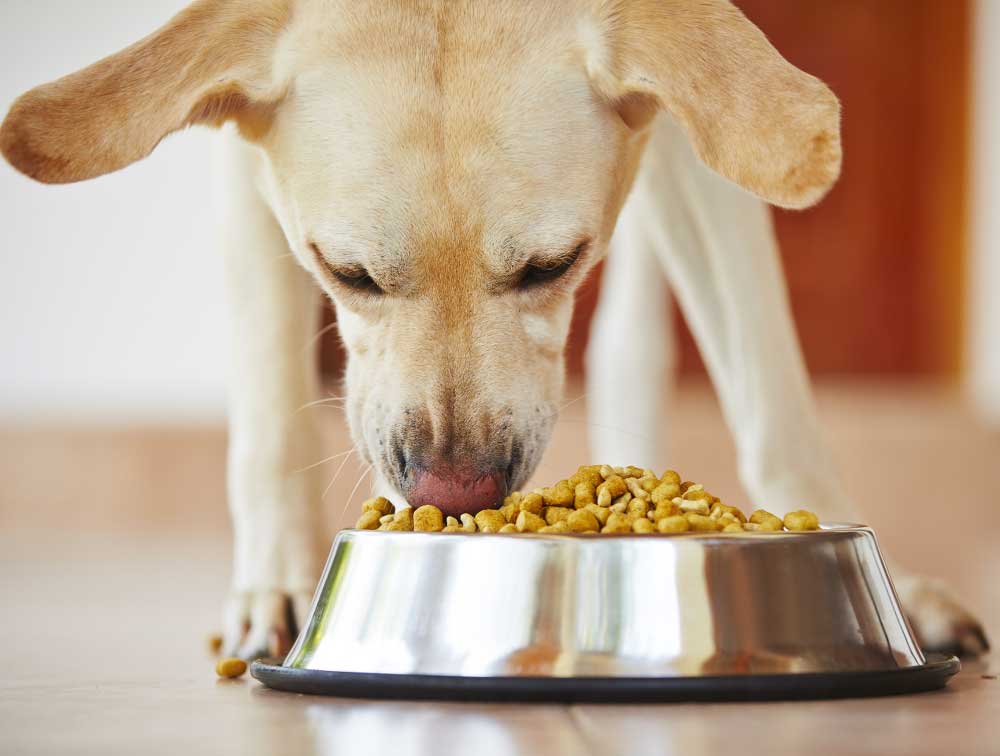

Introduction: The True Value of What We Feed Our Pets
Feeding a pet is one of the most intimate and consequential aspects of pet ownership. It’s an act repeated daily, often without much thought, yet it carries profound significance. The food we place in their bowls doesn’t just satisfy hunger—it fuels their growth, sustains their energy, shapes their coat’s luster, supports their immune system, and influences their longevity. In essence, pet food is the quiet architect of an animal’s health. As awareness grows and the bond between humans and their animal companions deepens, so too does the responsibility to make informed, thoughtful decisions about what we feed them.
The Modern Pet Food Landscape
The pet food industry has transformed dramatically over the past few decades. What was once a niche market offering dry kibble and canned meals has blossomed into a sprawling ecosystem of raw diets, fresh-cooked subscriptions, exotic protein blends, organic formulas, and specialized therapeutic foods. With this explosion of choice comes both opportunity and confusion.
Pet owners today are more informed, more conscientious, and often more overwhelmed. The packaging is slick, the buzzwords are endless—grain-free, gluten-free, holistic, ancestral, limited ingredient—and the marketing often resembles that of human health food. While this signals a positive shift toward prioritizing animal wellness, it also raises the stakes for discerning fact from fad.
The Foundation of Pet Nutrition
Understanding what truly constitutes a healthy diet for pets begins with the basics of nutrition. Dogs and cats have fundamentally different dietary needs due to their evolutionary biology.
Dogs: The Omnivorous Opportunists
Dogs, while descended from carnivorous wolves, are highly adaptable omnivores. Their systems are capable of digesting and deriving nutrients from both animal proteins and plant matter. An ideal dog food includes:
-
High-quality, named protein (e.g., chicken, beef, turkey, salmon)
-
Whole grains or starchy vegetables (e.g., brown rice, sweet potatoes)
-
Healthy fats for coat and brain health (e.g., chicken fat, fish oil)
-
Essential vitamins and minerals balanced for life stage and breed
-
Optional additions like probiotics or glucosamine for gut and joint support
Cats: The Obligatory Carnivores
Cats, on the other hand, are obligate carnivores, meaning their bodies are biologically dependent on meat. Their dietary requirements are far more rigid. Essential components in feline diets include:
-
Animal-based protein as the dominant ingredient
-
Taurine, an amino acid critical to heart and eye health, found only in meat
-
Adequate moisture content, especially in wet food, to support urinary tract health
-
Omega-3 fatty acids for skin and coat quality
-
Controlled carbohydrate content, as cats have limited ability to process plant-based starches
What to Look for on a Pet Food Label
Deciphering a pet food label is a vital skill for any responsible owner. Knowing what to prioritize—and what to avoid—can make a measurable difference in your pet’s health.
-
Named Proteins: Look for specific sources like “duck,” “salmon,” or “lamb” rather than vague terms like “meat meal.”
-
Whole, Recognizable Ingredients: The presence of real vegetables, fruits, and grains suggests a more balanced, less processed formulation.
-
Minimal Fillers and Additives: Corn, soy, artificial dyes, and synthetic preservatives (e.g., BHA, BHT) are red flags in many commercial formulas.
-
AAFCO Statement: Pet foods that meet the standards set by the Association of American Feed Control Officials (AAFCO) are considered complete and balanced for the specified life stage.
Tailoring Food to Life Stages and Conditions
Nutrition is not a one-size-fits-all affair. Like people, pets have different needs at different stages of life and in response to health conditions.
Puppies and Kittens
Young animals need calorie-dense, nutrient-rich diets to fuel rapid growth. Puppy and kitten formulas are fortified with additional protein, calcium, and fat to support development.
Adult Pets
Mature pets benefit from maintenance diets that support lean muscle, dental health, and digestive function without contributing to weight gain.
Senior Animals
Older pets often require lower-calorie foods enhanced with joint-supporting compounds like chondroitin and glucosamine. Easily digestible ingredients and added antioxidants can also be beneficial.
Special Needs and Prescription Diets
Pets with allergies, chronic illnesses, or sensitivities may thrive on specialty or prescription diets. These formulations are crafted to manage conditions such as kidney disease, diabetes, gastrointestinal issues, or urinary tract health, often under veterinary guidance.
The Rise of Fresh, Raw, and Boutique Diets
A growing segment of pet owners are turning to less conventional feeding styles—raw, freeze-dried, gently cooked, or homemade. These options can offer superior ingredient integrity and freshness but come with caveats.
-
Raw Diets: Proponents claim raw diets mimic ancestral nutrition, but concerns about bacterial contamination and nutrient imbalance remain. Veterinary supervision is strongly recommended.
-
Homemade Meals: Cooking for your pet can be rewarding, but requires precise formulation to avoid deficiencies. A veterinary nutritionist should review any long-term homemade diet.
-
Boutique Brands: While many small-batch pet food companies offer excellent products, not all are backed by adequate testing or quality control. Reputation and transparency are key when evaluating boutique foods.
The Human Factor: Feeding as a Form of Love
Choosing and preparing pet food is a deeply human act. It reflects our desire to protect, nurture, and express love to creatures who cannot articulate their needs in words. But love, when uninformed, can sometimes lead us astray. Overfeeding, indulgent treats, or falling for flashy marketing can cause more harm than good. The best decisions are those rooted in knowledge, guided by observation, and attuned to the individual pet’s wellbeing.
Transitioning with Care
Any dietary change should be made slowly, over the course of 7–10 days, to allow your pet’s digestive system to adapt. A gradual transition minimizes the risk of gastrointestinal upset and increases the likelihood of acceptance.
Transition Schedule:
-
Days 1–2: 75% old food, 25% new
-
Days 3–4: 50% old, 50% new
-
Days 5–6: 25% old, 75% new
-
Day 7+: 100% new food
Watch closely for signs of intolerance such as loose stools, itching, or lethargy. If symptoms persist, consult a veterinarian.
Conclusion: A Philosophy of Nourishment
Feeding your pet should never be a mindless task. It is, in fact, one of the most important responsibilities a pet owner undertakes. A thoughtful approach to pet food—one that considers biology, quality, lifestyle, and individual needs—can significantly enrich an animal’s life. As the guardians of our pets’ wellbeing, we must remember that every scoop of kibble or spoonful of wet food is an investment in their health and happiness.
In choosing wisely, feeding consciously, and staying informed, we honor the trust our pets place in us. After all, they ask for so little, yet give us so much. Let what fills their bowl be as full of care as the love that fills our homes.