
Introduction: Companions Cloaked in Mystery
For centuries, cats have slinked their way through human history draped in an air of serene mystery and unapologetic independence. From sacred symbols of ancient civilizations to beloved household companions curled up on modern sofas, cats continue to fascinate and frustrate in equal measure. Their subtle grace, quiet intelligence, and mercurial personalities have inspired poets, artists, and philosophers to ponder the secret worlds they seem to inhabit just beyond our reach. To understand cats is to accept that some mysteries are best savored rather than solved.
Origins and Domestication: The Wild Beneath the Purr
Unlike dogs, whose domestication story traces back to human campsites and cooperative hunting, the cat’s path to our hearths was one of mutual convenience and gradual alliance. Thousands of years ago, as early farmers stored surplus grain, rodents flocked to these stores—and so did wildcats. Over generations, the most docile and adaptable felines lingered near humans, earning food and shelter in exchange for their unmatched skill as hunters.
Archaeological finds, such as the 9,500-year-old burial site in Cyprus where a cat was interred alongside its human, speak to a bond forged long before recorded history. Yet, even now, every house cat carries within it the whisper of a wild ancestor—an echo evident in their sudden bursts of predatory play and their unyielding need for independence.
The Unique Language of Cats
Part of what makes cats so endlessly captivating is their subtlety. Dogs communicate their feelings openly—tails wagging, tongues lolling. Cats, on the other hand, converse in whispers and gestures. A flick of the tail, a slow blink, the positioning of ears or whiskers—each movement is deliberate, a coded message for those patient enough to learn.
Understanding a cat’s behavior requires attention to nuance:
-
Purring can mean contentment, but it can also be a self-soothing mechanism when a cat is ill or anxious.
-
Kneading, often called “making biscuits,” is a comforting behavior linked to kittenhood.
-
Slow blinking at a human or another cat is a sign of trust and affection.
-
Tail language can speak volumes—a high tail with a soft curve suggests a friendly mood, while a twitching tip may signal annoyance or heightened focus.
This subtlety is not aloofness, as some might assume, but rather an invitation to engage more mindfully.
Life Indoors: Crafting an Enriched Environment
Today’s domestic cats face a paradox. Though loved and protected, many live exclusively indoors, their wild instincts caged within walls. An indoor cat’s life can be long and safe, but without intentional enrichment, it risks becoming dull and sedentary. Responsible cat guardians must bridge the gap between safety and stimulation.
Ways to enrich a cat’s environment include:
-
Installing perches or cat trees that mimic climbing and hunting vantage points
-
Using puzzle feeders to make mealtime mentally engaging
-
Rotating toys to keep novelty alive
-
Offering scratching posts to satisfy natural grooming and marking behaviors
-
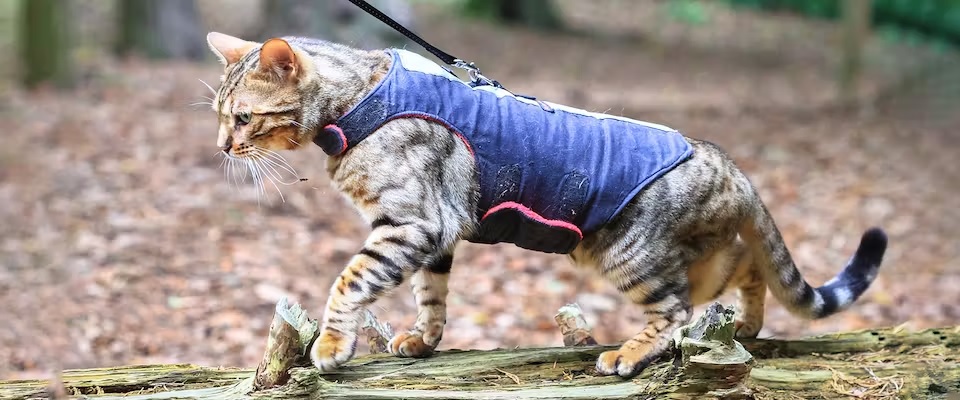
Providing secure outdoor enclosures or “catios” for safe exploration
A well-stimulated cat is less likely to exhibit destructive or anxious behaviors. In truth, enrichment is not indulgence—it is necessity.
Diet and Well-being: Respecting the Carnivore Within
Despite their pampered status, domestic cats remain obligate carnivores. Their bodies are finely tuned to extract nutrients from meat, and a protein-rich diet is essential for healthy muscles, organs, and coat. Feeding a cat properly means going beyond filling a bowl with convenient kibble.
Important considerations for feline nutrition:
-
Choose high-quality, protein-forward food with real meat as the primary ingredient
-
Be cautious with treats and table scraps, which can cause imbalances
-
Encourage hydration—many cats do not drink enough water, so wet food or fountains can help
-
Consult your veterinarian for advice tailored to your cat’s age, weight, and health status
A vigilant eye on diet can prevent common health problems like obesity, urinary tract issues, and diabetes.
The Independent Spirit: Training with Respect
Training a cat may sound improbable to the uninitiated, yet cats are highly trainable when approached with patience and respect for their unique psychology. Unlike dogs, who thrive on praise and pack dynamics, cats respond to training that taps into their curiosity and self-interest.
Effective ways to guide feline behavior:
-
Use positive reinforcement, such as treats or toys
-
Never punish—this erodes trust and often backfires
-
Redirect undesirable behaviors, like scratching furniture, by offering appealing alternatives
-
Train practical skills, such as coming when called or tolerating a carrier, through short, calm sessions
Through gentle training, cats learn to navigate the human world while retaining their dignity and autonomy.
The Human-Cat Bond: A Mutual Gift
Perhaps what sets cats apart is the way they invite humans into a bond that is both reciprocal and respectful of boundaries. Cats do not offer unconditional adoration—they bestow trust gradually, and each moment of affection feels like a gift earned rather than demanded.
Living with a cat is an ongoing lesson in patience, presence, and acceptance of what cannot be controlled. They remind us to sit still, to notice the warmth of sunbeams, to find joy in a simple stretch or a quiet nap. In their presence, we are invited to inhabit life at a softer, slower pace.
Common Misunderstandings: Dispelling the Aloof Myth
Despite their rising popularity, cats still contend with persistent myths. They are labeled solitary when, in reality, many cats form deep social bonds with both humans and other animals. They are branded indifferent when their subtle shows of loyalty are simply overlooked. They are unfairly compared to dogs, when they are an entirely different miracle altogether—one that does not bend to expectation but rather inspires us to expand our understanding of companionship.
Conclusion: Celebrating the Feline Enigma
To share one’s life with a cat is to embrace a daily ritual of small wonders—a rumbling purr against your chest, an insistent paw at dawn, a sudden dash down a hallway as invisible prey is pursued. These moments, woven together, create a tapestry of companionship that is gentle, surprising, and wholly unique.
In a world that often moves too fast and demands too much, cats stand as serene reminders that life’s richest moments are often quiet, fleeting, and impossible to command. All we can do is notice, appreciate, and return their trust with the care and respect they so royally deserve.
And in doing so, we come to understand that living with a cat is not about ownership—it is about coexistence with a creature who remains, beautifully, just beyond our complete understanding.